

Health & Fitness
The 3 Best Fitness Trackers of 2026
The best fitness tracker is the one you forget you are wearing — and these three cover the realistic options: an all-rounder with GPS, a slim band that runs a week per charge, and a screen-free tracker built entirely around recovery.
Fitness bands have settled into a practical sweet spot: light enough to wear around the clock, capable of logging workouts, sleep stages, and continuous heart rate, and far less distracting than a full smartwatch. We compared the three approaches that matter — an all-rounder with built-in GPS and a bright color screen, a slim band that stretches a charge across a week, and a screen-free tracker that trades the display for deeper recovery analysis. All three count steps and track sleep; the real differences are battery life, workout features, and how much data you actually want to see day to day.
Our Top Picks
- Fitbit Charge 6 — Best Overall
- Garmin Vivosmart 5 — Best Battery Life
- WHOOP 4.0 — Best for Recovery Tracking
At a Glance
| # | Product | Score | Price | Best for |
|---|---|---|---|---|
| 1 | Fitbit Charge 6 | 4.6 / 5 | $160 | — |
| 2 | Garmin Vivosmart 5 | 4.5 / 5 | $150 | — |
| 3 | WHOOP 4.0 | 4.4 / 5 | $239 | — |
1. Fitbit Charge 6
Best Overall
WHBUYS Score: 4.6 / 5
The Charge 6 is the most complete band here. Built-in GPS logs runs and rides with a route map and no phone in your pocket, and the bright color touchscreen stays legible at a glance mid-workout. It tracks heart rate, sleep stages, and stress, and can record an ECG through the companion app. Battery life runs up to a week, though regular GPS sessions pull that down noticeably — plan on charging more often if you run outdoors several times a week. The physical side button is a welcome return after its predecessor went without one. Some of the deeper app insights sit behind a subscription, which is worth knowing upfront. At around $160, it is the band we recommend to the widest range of people.
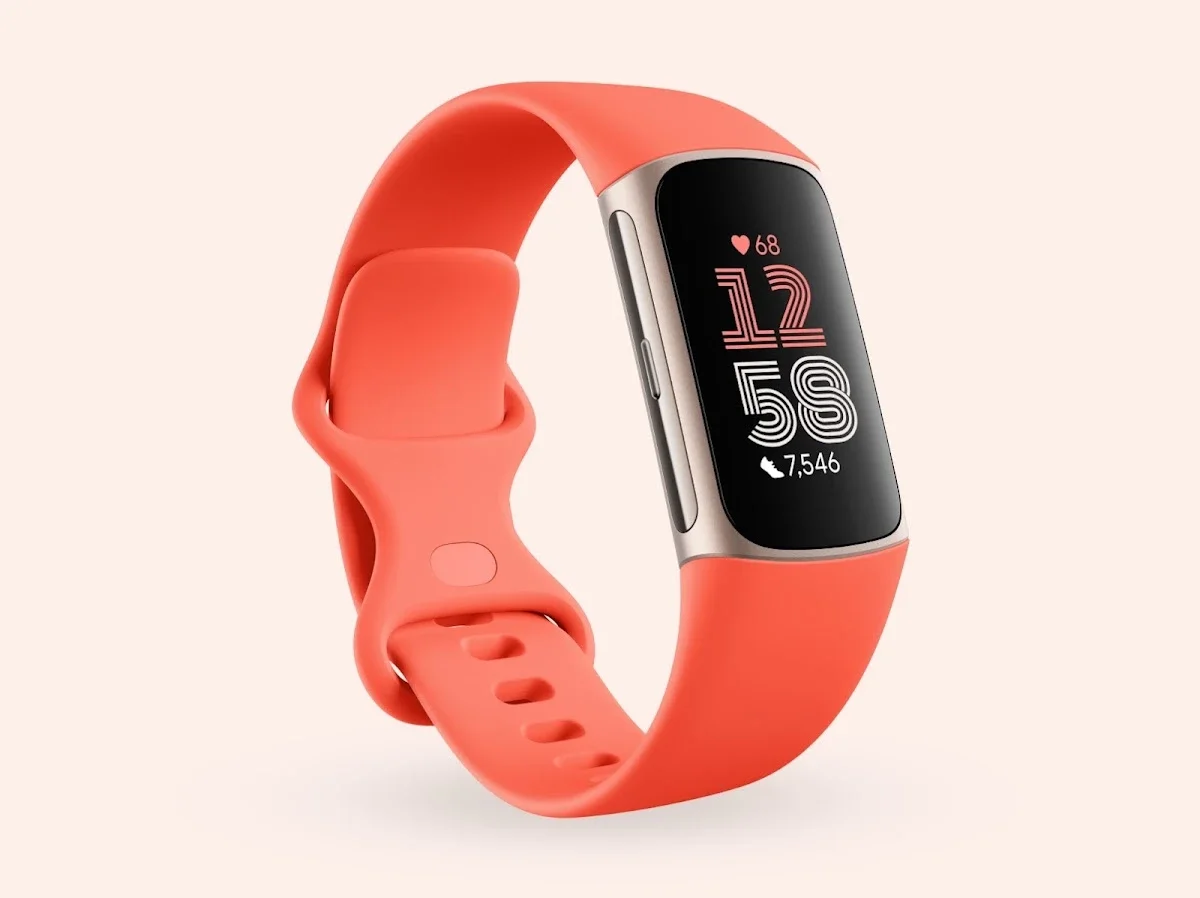
- Built-in GPS
- Heart rate, sleep, and stress tracking
- Up to 7 days of battery life
What we like
- Phone-free runs with built-in GPS
- Bright, easy-to-read display
What to consider
- Some app insights need a subscription
- GPS use shortens battery life
2. Garmin Vivosmart 5
Best Battery Life
WHBUYS Score: 4.5 / 5
The Vivosmart 5 is for people who want tracking without another device to babysit. It is slim and light enough to disappear on your wrist, and the battery lasts up to seven days between charges, so weekly charging becomes the routine instead of nightly. Its Body Battery feature estimates your energy level through the day from activity, stress, and rest — in daily use, that single number proves more useful than raw step counts. Sleep tracking and automatic activity detection are both solid. The trade-offs are a smaller, simpler monochrome display and no built-in GPS — it borrows your phone's GPS on runs, so phone-free route tracking is off the table. At around $150, it is the low-maintenance pick.
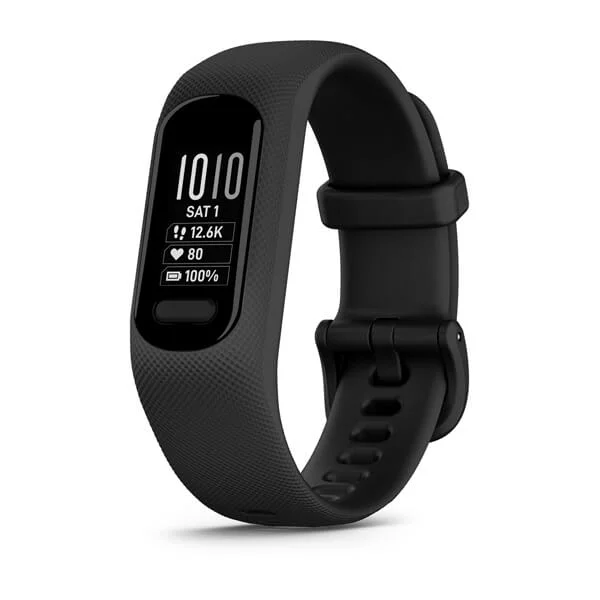
- Up to 7 days between charges
- Body Battery energy monitoring
- Slim, lightweight band design
What we like
- Week-long battery life
- So light you forget it is on
What to consider
- No built-in GPS
- Small monochrome display
3. WHOOP 4.0
Best for Recovery Tracking
WHBUYS Score: 4.4 / 5
WHOOP takes the opposite approach to every other band here: there is no screen at all. The small sensor pod sits in a fabric band and quietly collects heart rate, sleep, and activity data around the clock, and the app turns it into daily recovery and strain scores that tell you how ready your body is for hard effort. There is no upfront cost for the device itself — the band is included with a membership, which is how you pay for the service. That model suits committed athletes who train by data, but casual users may find the app dense and the ongoing membership hard to justify when a glanceable display would do. If recovery tracking is your priority, nothing else here goes as deep.
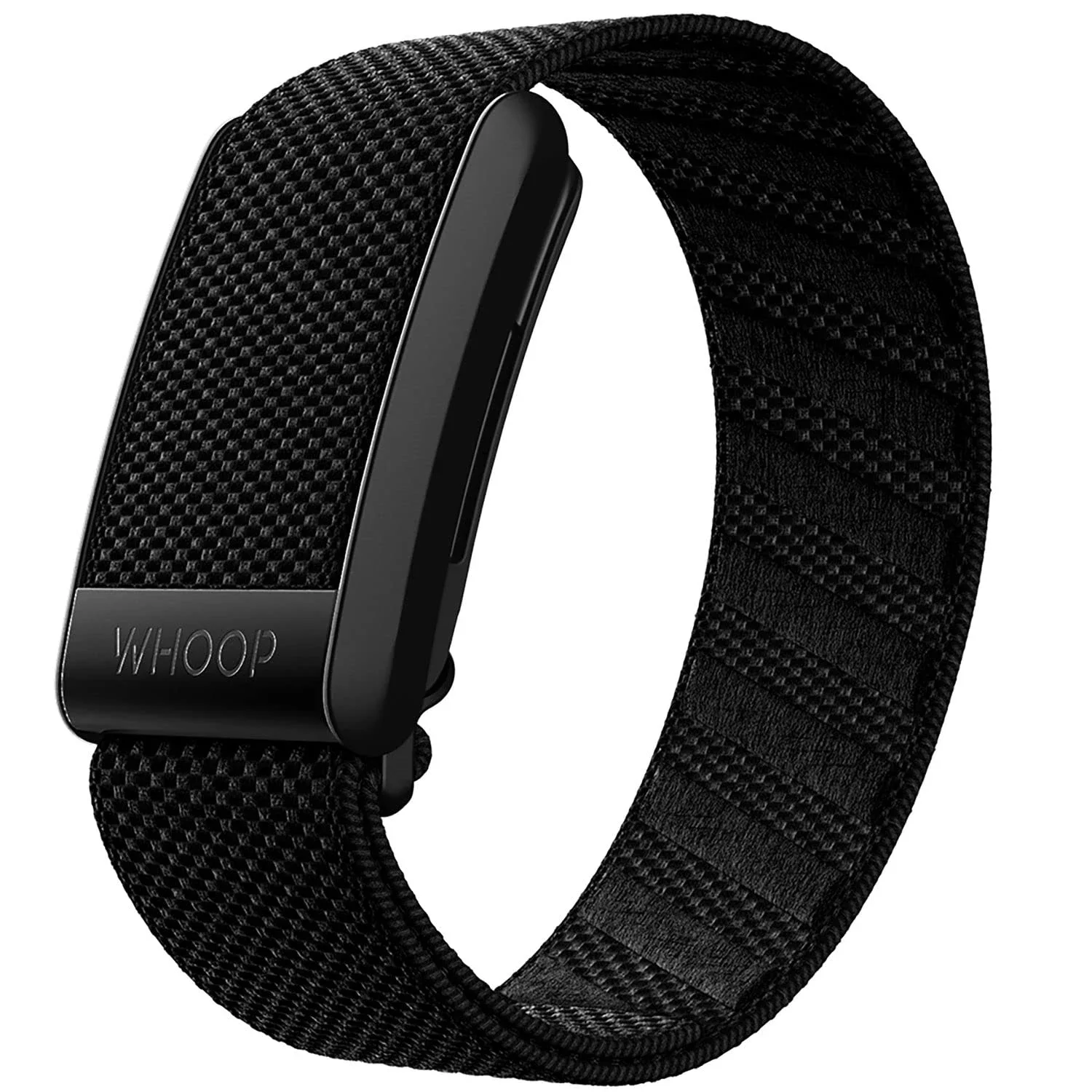
- Screen-free band worn 24/7
- Recovery, strain, and sleep tracking
- Device included with membership
What we like
- Deepest recovery analysis here
- No screen, no distractions
What to consider
- Requires an ongoing membership
- No display for quick glances
How to Choose a Fitness Tracker
Decide what you actually want to know. If you run or cycle outdoors and want route maps without your phone, built-in GPS is the feature to pay for — it changes how you train, not just how you log it. If your main interest is sleep quality, daily readiness, and general activity, a simpler band with long battery life will serve you better — and you will wear it more consistently, which is what makes the data useful in the first place.
Then check the ongoing costs before you buy. Some bands unlock their best insights behind a subscription, and one pick in this guide is membership-based entirely, with the device included. Neither model is wrong, but the true cost of a tracker is the purchase price plus whatever you will pay per month over the years you use it — work that out before the box arrives, not after.
Frequently Asked Questions
Do fitness trackers require a subscription?
Not always. Basic tracking — steps, workouts, heart rate, and sleep — is free on most bands. Some brands reserve advanced insights for subscribers, and membership-based trackers include the device with the subscription instead of selling it outright. Check what is included before you buy, and add up the monthly cost over a year or two.
How accurate are wrist-based fitness trackers?
They are estimates, not medical instruments. Step counts and heart-rate trends are generally reliable enough to track your progress over time, which is how the data is most useful — look at weekly trends rather than any single reading, and do not treat a one-off spike as a diagnosis.
Can I wear a fitness tracker while swimming?
Most current bands are water resistant and fine for showers and pool swims, and many can track swim workouts. Check the water-resistance rating on the model you choose, and rinse the band after saltwater or chlorinated pool sessions — chlorine and salt wear straps out faster than plain water.