
Sports & Outdoors
Garmin inReach Mini 2 Review: A Pocket-Sized Satellite Lifeline for Off-Grid Trips
About the size of a matchbox, the inReach Mini 2 sends texts, shares your position and summons rescue from country your phone has never seen.
Signal usually gives up far earlier than people assume — often less than an hour outside town. A satellite communicator fills that gap, and Garmin's inReach Mini 2 has become the go-to for hikers, hunters and backcountry travellers: two-way texting, GPS tracking and an SOS button wired to a worldwide rescue coordination centre, in a unit that weighs about three and a half ounces. We tested whether the smallest inReach still deserves its spot on a pack strap.
Our Verdict
Off-grid, the Mini 2 covers what actually matters — exchanging texts, reporting where you are, and calling for help from anywhere on Earth — in a body so light you will never ditch it to save weight. If your trips leave cell coverage behind, it is the most reassuring few ounces you can carry, for around $400.
WHBUYS Score: 4.7 / 5
Shop Garmin inReach Mini 2 (from $400)1. Small Enough to Always Come Along
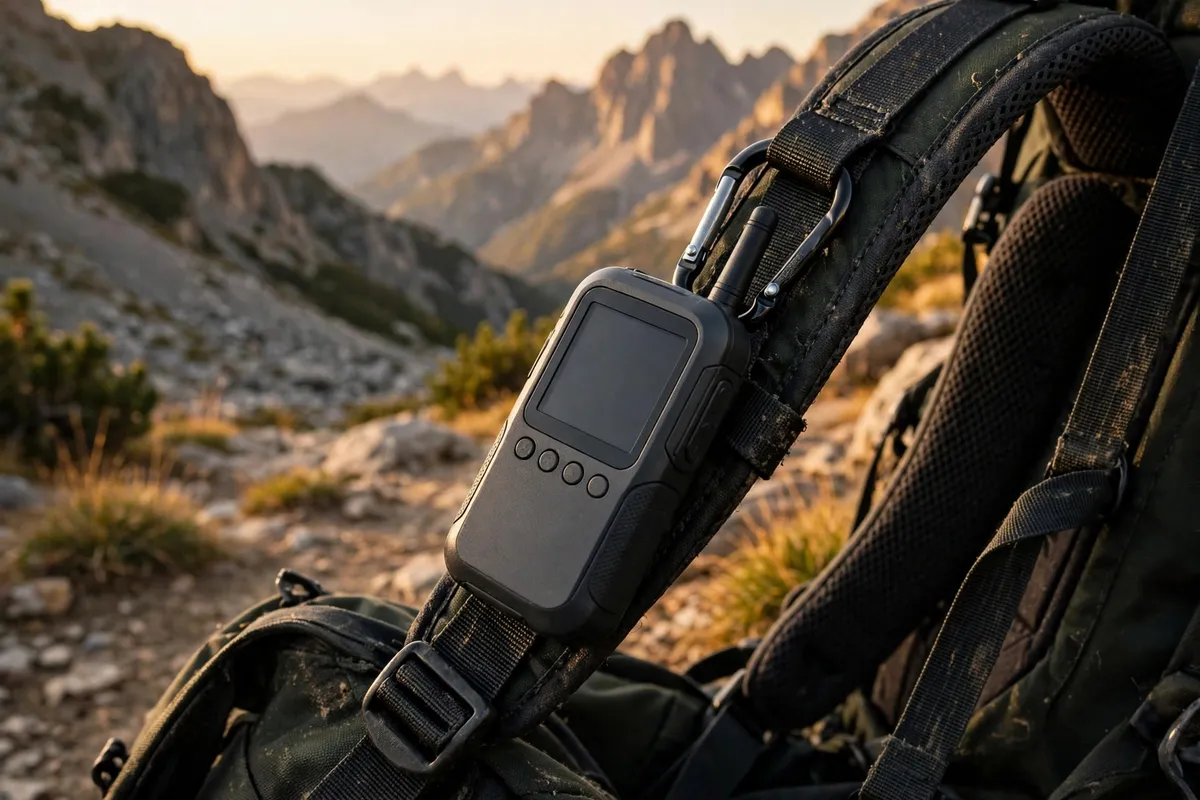
A safety device earns its keep only if it is actually on you, and the Mini 2 gives you no reason to leave it behind. It measures roughly two by four inches, weighs about three and a half ounces, clips onto a pack strap or vanishes into a hip-belt pocket, and its tough, water-resistant shell takes rain, dust and drops on rock in its stride. Battery is the other half of the carry-everywhere equation: Garmin quotes up to about two weeks in the default tracking mode, and considerably longer if you stretch the tracking intervals, so a week in the backcountry needs no charging plan. When you do reach the car, it recharges over USB-C.
2. Two-Way Messaging That Actually Works
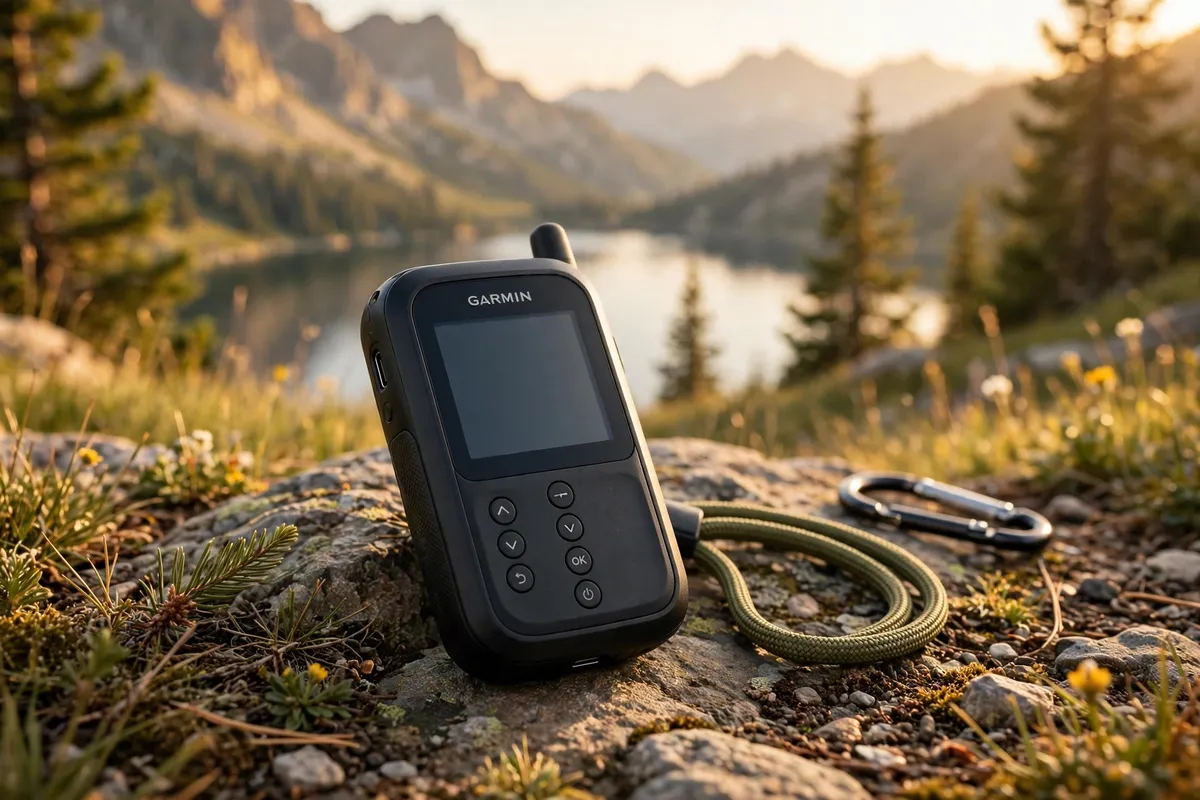
Earlier satellite messengers were one-way only; this one carries on a genuine conversation. Texts go both ways, to phone numbers and email addresses, over the Iridium satellite network, which reaches the whole planet — oceans and poles included. Quick preset messages can be sent straight from the device, while longer ones are easier to write in the companion phone app, which connects over Bluetooth and gives you the phone's keyboard and display. Texts don't arrive instantly the way cellular ones do — they move when the device next checks in with the satellites — yet they get through where a phone shows no bars at all. A subscription is required, with tiers that scale to how much you message and track.
3. SOS and Tracking for the People Back Home
Under its protective cover sits the button this device exists for. Hit SOS and you reach a staffed emergency coordination centre that gets your location, exchanges texts with you, and sends local search and rescue — anywhere on the planet, at any hour. Outside emergencies, automatic tracking leaves a breadcrumb of your position at set intervals on a web map you can share, so family can watch a thru-hike unfold or confirm you made camp each night. It also pulls in basic weather forecasts for your location, which is genuinely handy when a storm can redraw tomorrow's plan.
4. Navigation Basics, Deliberately Simple
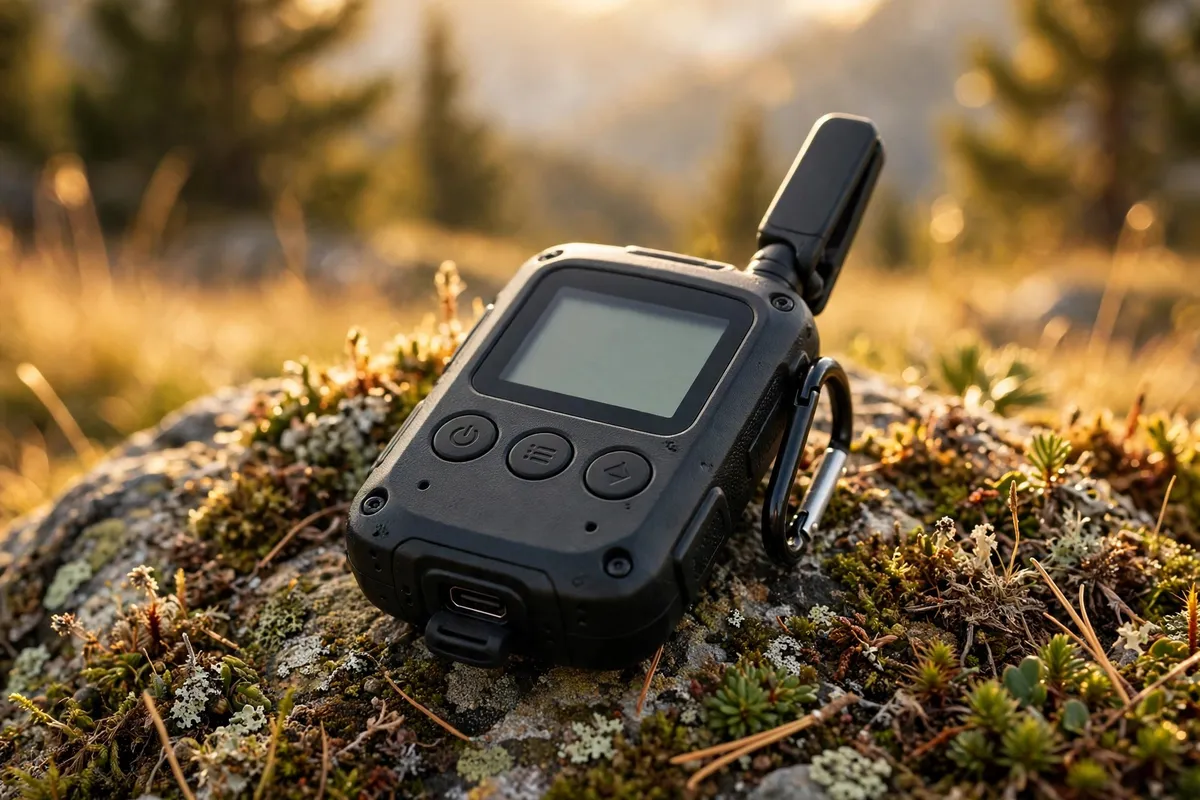
Navigation is deliberately secondary here — this is a communicator first. Its small, sunlight-readable display shows a compass, your coordinates and a simple back-to-start route, guiding you to a saved waypoint or retracing your recorded track. For real maps, route planning and a larger view, it pairs with the phone app. Treat it as a backup navigator, not a stand-in for a dedicated mapping GPS or a well-prepared phone: it will bring you back to the trailhead, which is exactly the job it was built for. The interface needs a little learning, and most of the deeper features live in the app.
What we like
- Global two-way texting and SOS in a 3.5-ounce device
- Up to roughly two weeks of battery in tracking mode
- Location sharing lets family follow along at home
What to consider
- Requires a paid satellite subscription plan
- Small screen makes typing and maps awkward without the app
- Messages send in batches, not instantly
Should You Buy the Garmin inReach Mini 2?
Anyone who regularly hikes, hunts, fishes, rides or works beyond cell coverage — especially if someone at home worries during those trips — will find this an easy yes. Around $400 plus a subscription buys real two-way contact and a rescue link from essentially anywhere on Earth, in a unit light enough that even ultralight backpackers will carry it. It is unnecessary for front-country trails with solid signal, and anyone wanting full mapping on the device itself should step up to a bigger unit. For everyone else heading off-grid, clip it on and forget it — until the day it counts.
Frequently Asked Questions
Does the inReach Mini 2 require a subscription?
Yes. Messaging, tracking and SOS all need a paid plan, with monthly and annual options offering different message and tracking allowances. You can usually pause a plan in months you aren't travelling, keeping off-season costs down.
Can people reply to my messages?
Yes — two-way messaging is the point. Anyone you message can answer, and their replies arrive on the device by satellite. Contacts can also message you first via your shared map page, depending on your settings.
How is this different from a phone's satellite feature?
Phone satellite features are mostly built for emergency SOS in supported regions. The inReach Mini 2 adds everyday two-way texting, continuous location tracking, weather forecasts and a battery that lasts weeks rather than hours — in a tougher unit that keeps working even if your phone is dead, lost or broken.