Sports & Outdoors
The 5 Best Tents of 2026
The best tents go up in minutes with cold, tired hands, hold their shape through a night of rain and wind, and pack down small and light enough that carrying them never feels like the price of the trip.
A tent earns its keep in the worst moment of a trip — at dusk, in wind, with tired hands and light fading. We compared the leading two- and four-person shelters on packed weight, interior space, weather protection, and how forgiving the pitch is when you are setting up in the dark. The five below cover weekend car camping, serious backpacking, and the ground in between, so there is a shelter here matched to how you actually get outside.
Our Top Picks
- REI Co-op Half Dome SL 2+ — Best Overall
- MSR Hubba Hubba 2 — Best Lightweight
- Coleman Sundome 4 — Best Budget
- Big Agnes Copper Spur HV UL2 — Best Ultralight Splurge
- Kelty Late Start 2 — Best for Beginners
At a Glance
| # | Product | Score | Price | Best for |
|---|---|---|---|---|
| 1 | REI Co-op Half Dome SL 2+ | 4.7 / 5 | $330 | — |
| 2 | MSR Hubba Hubba 2 | 4.8 / 5 | $470 | — |
| 3 | Coleman Sundome 4 | 4.4 / 5 | $110 | — |
| 4 | Big Agnes Copper Spur HV UL2 | 4.7 / 5 | $530 | — |
| 5 | Kelty Late Start 2 | 4.5 / 5 | $160 | — |
1. REI Co-op Half Dome SL 2+
Best Overall
WHBUYS Score: 4.7 / 5
The Half Dome SL 2+ is the shelter we recommend when someone wants one tent that does everything well. The "plus" is measurable: the floor runs roomier than a standard two-person tent, the walls stay near-vertical so headroom holds to the edges, and two wide doors mean nobody climbs over a sleeping partner at 2 a.m. Color-coded clips and poles make the pitch hard to get wrong, the mesh body moves air on warm nights instead of trapping it, and the rainfly rolls back for stargazing when the sky clears. Packed weight is around five pounds, split easily between two hikers. At around $330, nothing else here balances space, weight, and weather protection this evenly.
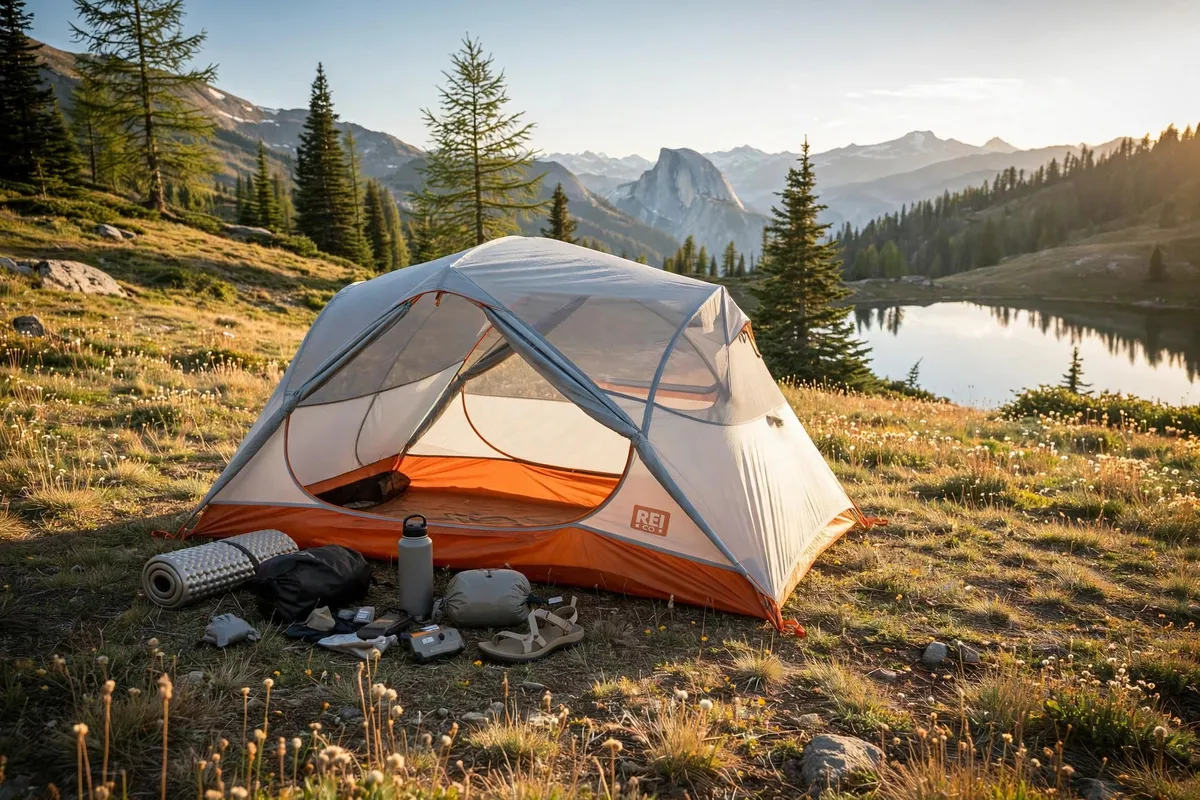
- Sleeps 2 with extra floor room
- Packed weight around 5 pounds
- Two doors and two vestibules
What we like
- Generous headroom and near-vertical walls
- Fast, color-coded setup
What to consider
- Heavier than true ultralight shelters
- Footprint is sold separately
2. MSR Hubba Hubba 2
Best Lightweight
WHBUYS Score: 4.8 / 5
The Hubba Hubba 2 has been a thru-hiker staple for years, and the current version earns the reputation: a packed weight of roughly three pounds fits in one person's pack while still sleeping two. The unified pole hub pitches quickly and stands freestanding, so you can pick the whole tent up and move it to flatter ground before staking it down. Inside, the symmetrical layout gives both sleepers the same space, a large door, and their own vestibule for boots and packs. The fly sheds wind-driven rain confidently for a tent this light. At around $470 it is a serious investment, but for backpackers counting every ounce over long miles, it remains the benchmark.
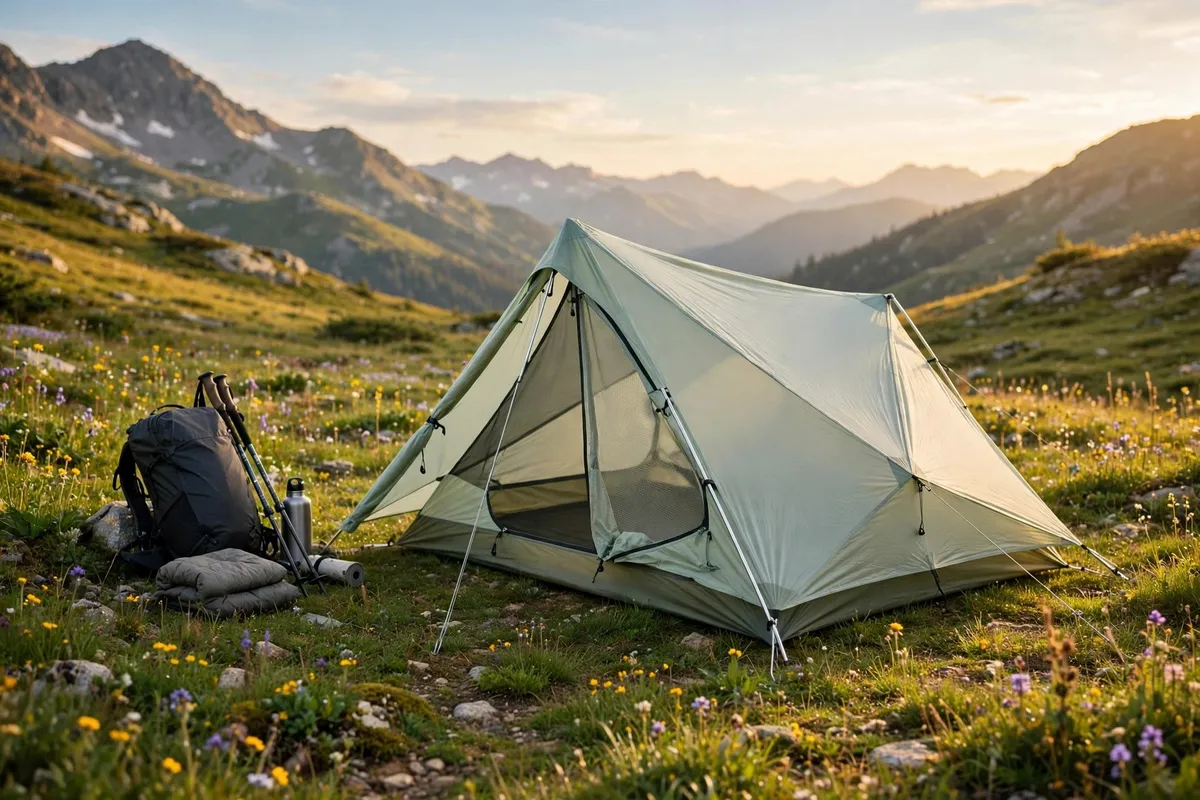
- Sleeps 2, packed weight around 3 pounds
- Freestanding hub-pole design
- Two doors with stay-dry entrances
What we like
- Excellent space for its weight
- Symmetrical layout suits two sleepers equally
What to consider
- Premium price
- Lightweight fabrics need gentler handling
3. Coleman Sundome 4
Best Budget
WHBUYS Score: 4.4 / 5
Not every camping trip starts at a trailhead. The Sundome 4 is a classic car-camping dome that sleeps four, stands about five feet tall at the center, and costs less than a single night in most hotels at around $110. The simple two-pole design goes up in about ten minutes, large windows and a ground vent keep air moving on still summer nights, and the rainfly covers enough of the tent for typical fair-weather weekends. At roughly nine pounds it is far too heavy and bulky for backpacking, and heavy storms will test its partial fly coverage. For festival weekends, backyard campouts, and first family trips, it is all the tent most people need.
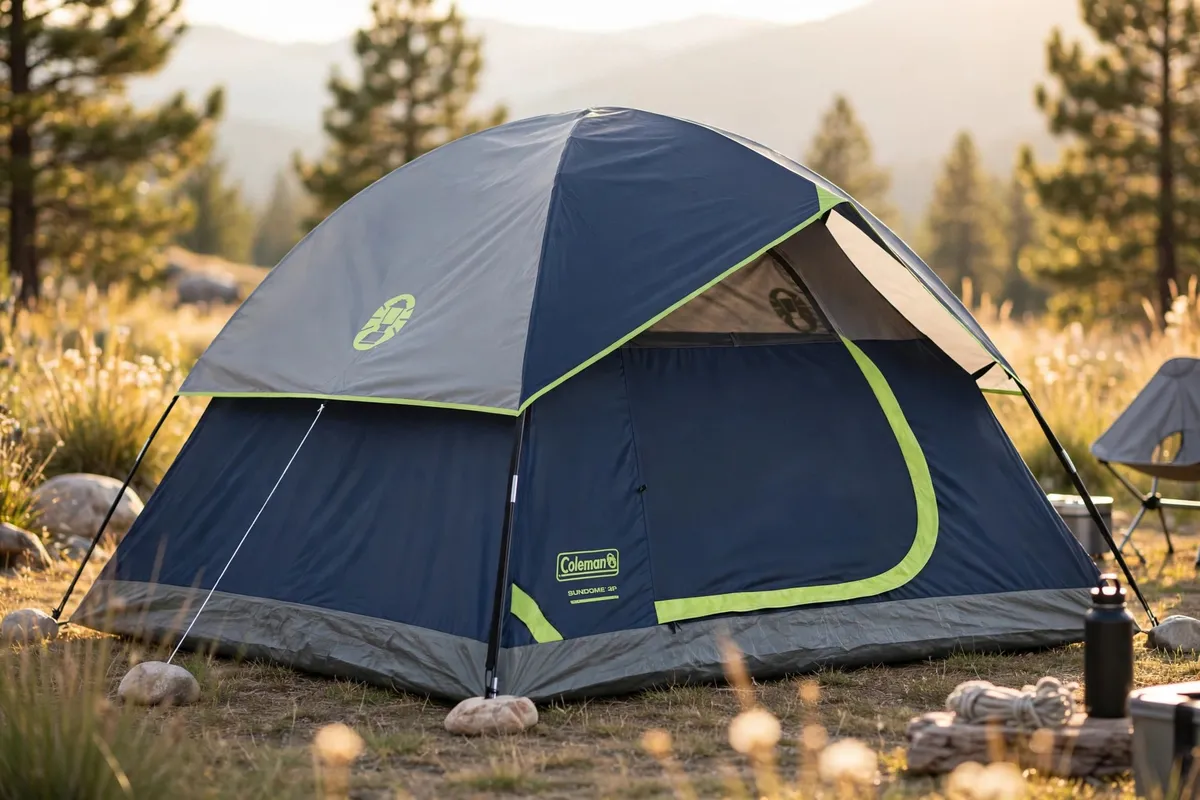
- Sleeps 4, center height around 5 feet
- Simple two-pole dome design
- Packed weight around 9 pounds
What we like
- Unbeatable price for the space
- Quick, simple pitch for car camping
What to consider
- Too heavy and bulky for backpacking
- Partial rainfly is fair-weather oriented
4. Big Agnes Copper Spur HV UL2
Best Ultralight Splurge
WHBUYS Score: 4.7 / 5
The Copper Spur HV UL2 is what you get when a designer refuses to trade livability for weight savings. Packed weight drops to roughly two and a half pounds, yet the high-volume pole architecture keeps the walls steep, so two campers can sit up, change, and sort gear without fabric pressing into their faces. Oversized dual doors, big vestibules, and a full set of interior pockets make it feel organized rather than stripped down, and the fly pitches taut enough for exposed campsites. Those ultralight fabrics do demand care around zippers and ground cloths. At around $530 it is the most expensive tent here — and the one weight-focused backpackers keep coming back to.
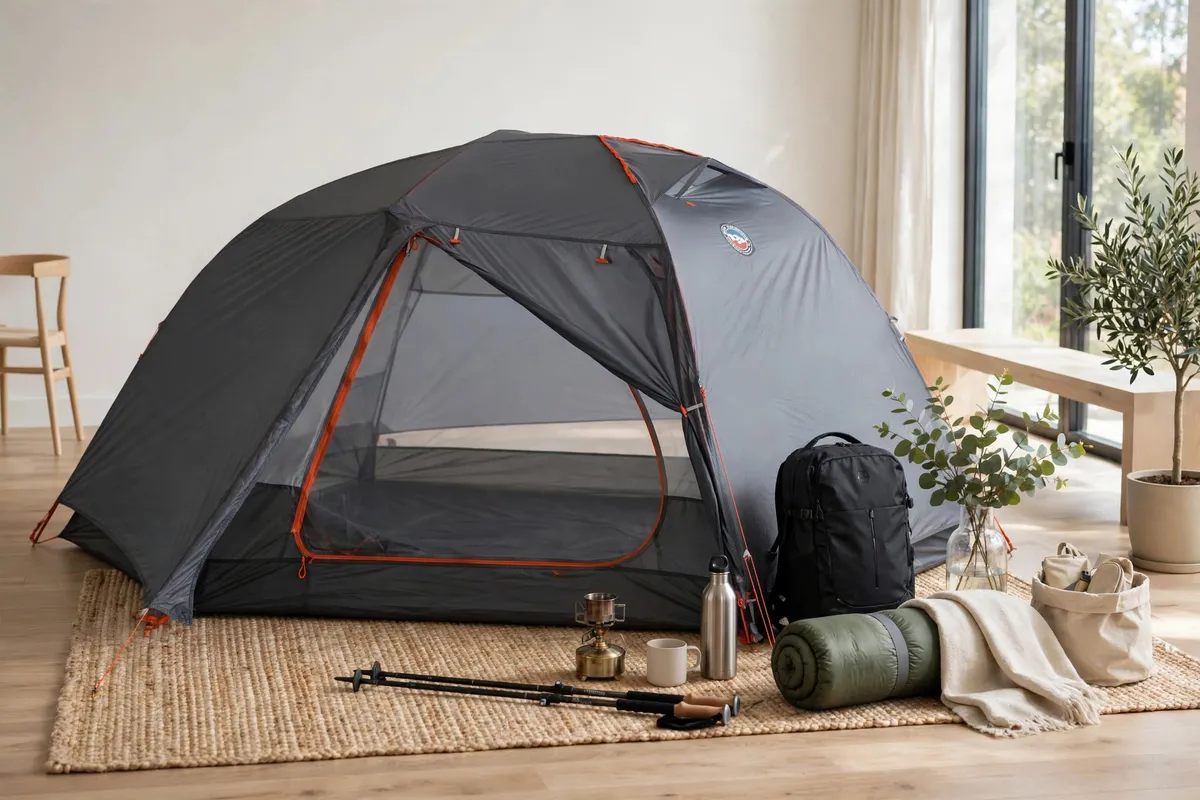
- Sleeps 2, packed weight around 2.5 pounds
- High-volume design with steep walls
- Two doors and generous storage pockets
What we like
- Remarkably light without feeling cramped
- Excellent storage and organization inside
What to consider
- Highest price in this roundup
- Delicate fabrics require careful handling
5. Kelty Late Start 2
Best for Beginners
WHBUYS Score: 4.5 / 5
The Late Start 2 is built for the camper who reaches the site as the light is going. Its quick-corner setup uses short pre-attached poles and simple sleeves, so the tent genuinely goes from bag to standing in a few minutes, with no instructions spread on the ground. A single wide door keeps entry simple, the full-coverage fly handles a rainy night better than most tents at this price, and the packed weight of around four and a half pounds is light enough for a beginner's first backpacking overnighter. Interior space is cozy rather than generous, and there is only one vestibule to share. At around $160, it removes every excuse for not going.
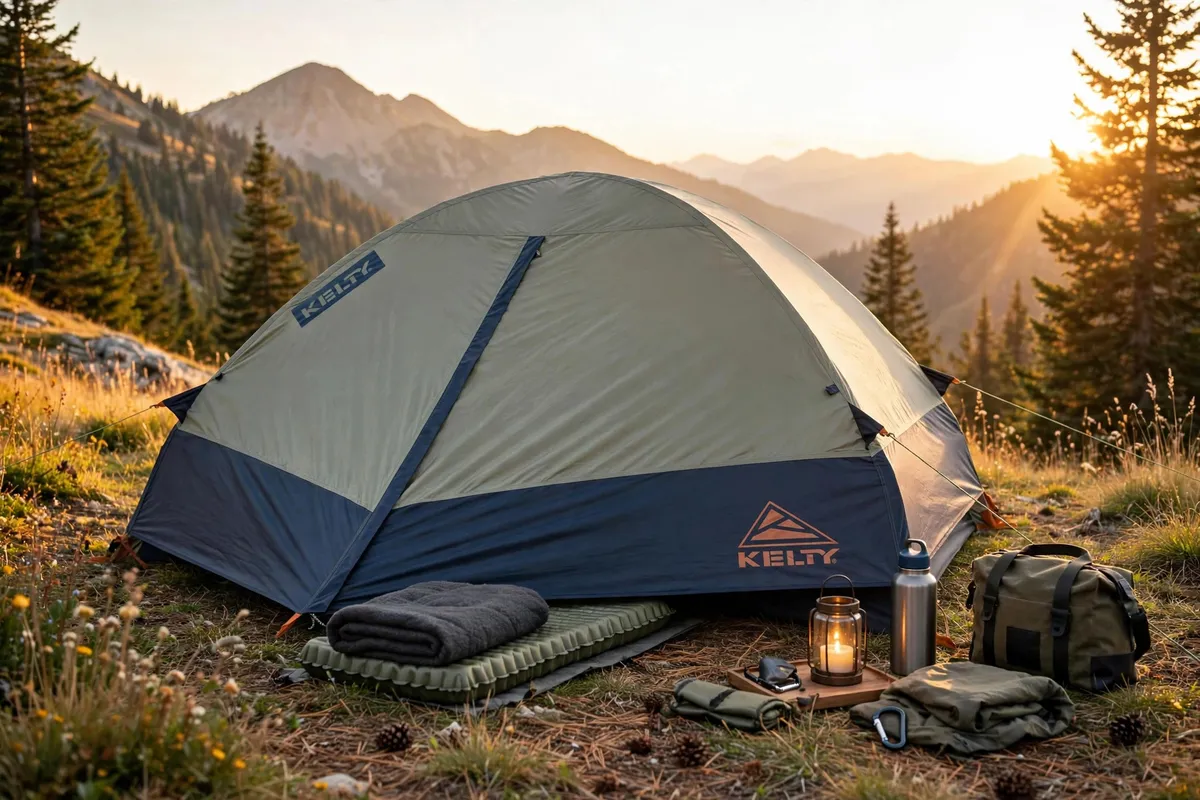
- Sleeps 2, packed weight around 4.5 pounds
- Quick-setup pole system
- Full-coverage rainfly
What we like
- Fastest, simplest pitch here
- Full fly protection at a starter price
What to consider
- Single door and vestibule
- Cozy interior for two full-size adults
How to Choose a Tent
Start with how you will carry it. Car campers can prioritize space and comfort, since the tent travels in a trunk; backpackers should weigh every pound, because the shelter is usually the heaviest single item in the pack. Capacity ratings assume sleepers packed shoulder to shoulder, so if you like elbow room — or camp with a partner and a dog — size up one person beyond your actual headcount.
Next, match the tent to your weather. A full-coverage rainfly and a bathtub floor handle sustained rain; mostly-mesh bodies work best in warm, dry climates, where ventilation matters more than storm protection. Freestanding designs pitch anywhere, including rock slabs and wooden platforms, while staked-out designs save weight but need ground that takes a stake. Finally, practice the pitch at home once. Every tent on this list goes up faster the second time — and the second time should not be in the dark.
Frequently Asked Questions
Do I need a footprint for my tent?
A footprint — a ground cloth cut to the tent's floor — protects the floor from abrasion and punctures and keeps it cleaner on muddy sites. It is optional on smooth, established campsites and worth carrying on rocky or rough ground. A simple tarp works too, as long as it stays tucked under the fly and does not stick out to catch rain.
What does "three-season" actually mean?
Three-season tents are built for spring, summer, and fall: they handle rain and moderate wind but are not designed for heavy snow loads or mountaineering storms. That covers the vast majority of campers, including most backpackers, so a three-season shelter like the ones in this roundup is the right call for most trips.
How should I store a tent between trips?
Dry it completely before storing — even one damp weekend packed away can grow mildew that permanently damages coatings. Store it loosely in a breathable sack rather than compressed in its stuff sack, and keep it somewhere cool and dry. A tent stored dry and loose will last years longer than one stuffed away wet.